Most local service businesses have the same problem: peaks and troughs. January is quiet for aesthetic clinics. August is slow for dental practices. February half-term can kill a week’s revenue for a beauty salon. The businesses that handle this well aren’t just lucky with footfall — they plan campaigns around the calendar and give local customers a reason to book now, not later.
Why Seasonal Campaigns Work Differently for Local Businesses
A seasonal promotion for a local clinic isn’t the same as a Black Friday sale for an e-commerce brand. Your customers are within a few miles of your door, they already have some awareness of you, and they’re making decisions based on trust as much as price. That changes how you should frame your offers.
The goal of a seasonal campaign isn’t to attract strangers with a steep discount — it’s to give your existing audience a nudge, remove a reason to delay, and fill specific slots you know will be quiet. A well-timed campaign for a dental practice ahead of the school summer holidays (“Book your child’s check-up before the rush”) speaks directly to a parent who’s been meaning to call for weeks. It converts because it’s timely and relevant, not because it’s cheap.
Importantly, seasonal hooks make your marketing feel human. Clinics and service businesses that send the same generic newsletter every month blend into the background. The ones that acknowledge the time of year — the back-to-school rush, the pre-Christmas panic, the January reset — feel switched-on and worth paying attention to.
What Does a UK Seasonal Calendar Look Like for Clinics?
Not every month has an obvious hook, but more do than you’d think. The trick is mapping your quietest periods against genuinely relevant seasonal moments, then building backwards from there.
Here’s a working framework for dental, beauty and general service businesses in the UK:
- January: New year, new you — an easy hook for aesthetics, teeth whitening, skin consultations or wellness treatments. Works well for introductory offers on services people have been considering.
- February/March: Valentine’s Day and Mother’s Day both drive gifting behaviour. Gift vouchers, couples treatments or “treat mum” packages convert well when promoted two to three weeks ahead.
- April/May: Pre-summer momentum. Laser hair removal, skin prep, cosmetic dental work — anything with a lead time before summer holidays belongs here.
- June/July: Wedding season. Bridal packages, teeth whitening, beauty treatments. A segment of your local audience is either getting married or attending weddings.
- September: Back to school creates a genuine window. Parents are less distracted than during summer and more likely to book for themselves or their children.
- October/November: Pre-Christmas is your biggest window of the year. Start earlier than you think — many clinics leave it too late and lose bookings to competitors who got there first.
- December: Gift voucher push. Christmas gifts for services are massively underused by local businesses. A well-promoted voucher offer can generate January revenue before January arrives.
The point isn’t to run a promotion every single month — that trains your audience to wait for deals. Pick three or four moments that genuinely align with your services and your local customer’s mindset, and do those well.
How Should You Actually Promote These Campaigns Locally?
The channel mix matters a lot here, and it depends on what you’re trying to do. If you want to reach people who are already searching for what you offer, paid search is your most efficient tool. If you want to remind existing patients or clients and drive repeat bookings, email and SMS are far cheaper and often more effective. If you want to reach new local audiences who don’t know you yet, Meta ads (Facebook and Instagram) with postcode-level targeting can work well — especially for aesthetic and beauty services where visual results drive decisions.
Your Google Ads campaigns during seasonal peaks should reflect the moment. If you’re running a pre-summer teeth whitening offer in April, your ad copy, your landing page headline and your call to action should all reference that framing. Generic ads pointing to a generic homepage convert poorly. Specificity wins.
For paid social, the visual creative carries most of the weight. Before-and-after images (where compliant with ASA guidelines), short video testimonials from happy local clients, and clean treatment photography all outperform stock imagery. Localise the copy — “Serving [your town] since 2015” or “Based in [neighbourhood]” builds instant trust with people who recognise those names.
Don’t neglect your Google Business Profile during campaign periods. Update your posts section with the promotion, add relevant photos, and if the platform allows it, reflect the offer in your description. Searchers who find you on Google Maps will see this content before they ever reach your website — make it count. There’s more on getting the foundations right in our guide to ranking in the Google Map Pack for local services.
Building a Campaign That Doesn’t Erode Your Margins
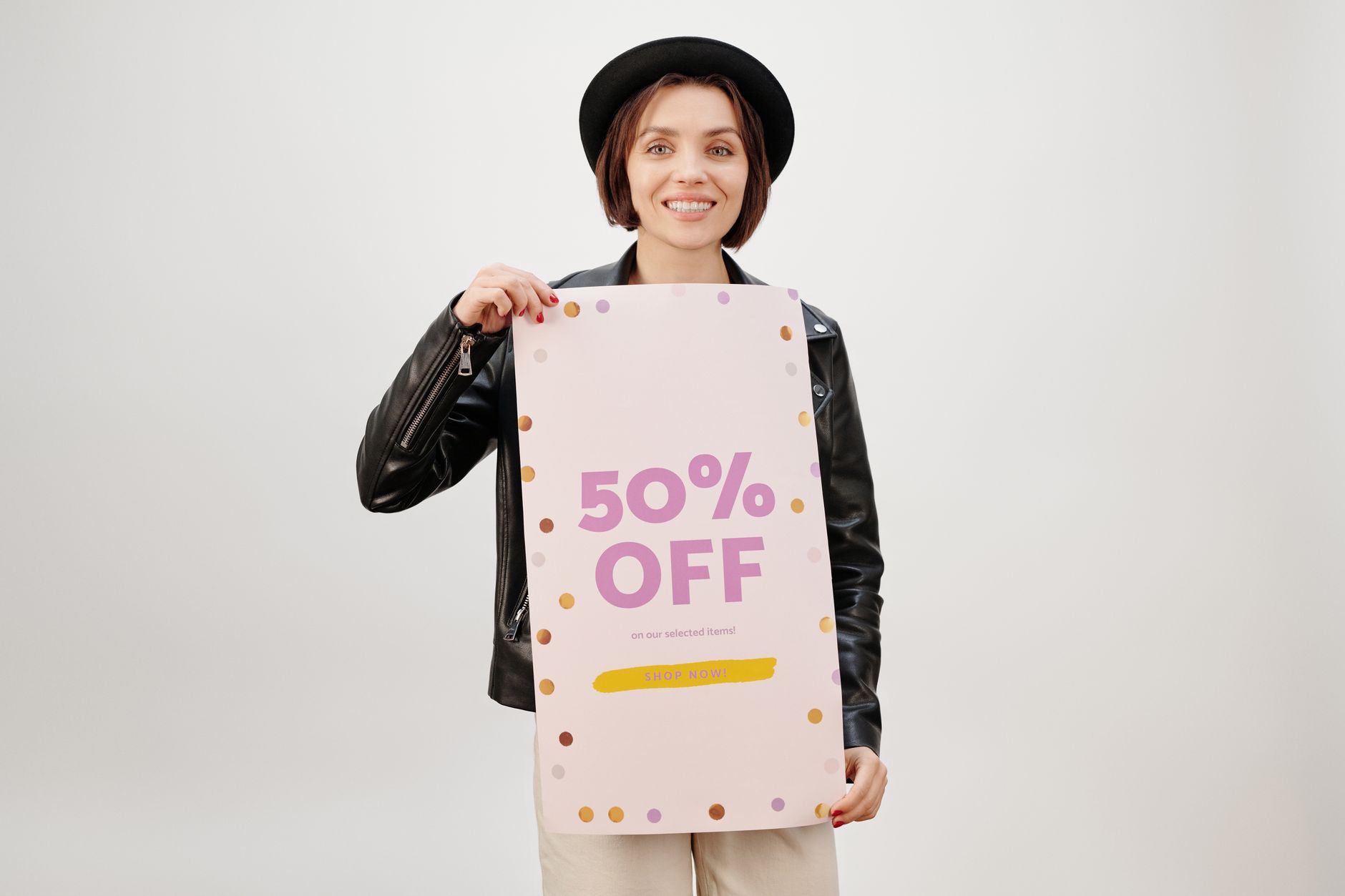
One of the most common mistakes local clinics make with promotions is discounting too heavily without thinking through the economics. A 30% discount on a treatment that already has a tight margin can leave you worse off than not running the campaign at all — especially once you factor in ad spend.
There are smarter ways to create urgency without slashing prices. Consider value-added bundles rather than straight discounts: “Book a facial and receive a complimentary brow treatment” feels generous without cutting your core revenue. Introductory pricing for first-time customers (at a modest reduction) makes economic sense because you’re acquiring a new long-term patient or client, not just filling a slot. Limited-availability framing works well too: “We have six pre-summer slots remaining in May” is both honest and motivating, without touching your price point at all.
For practices thinking about how this fits into a broader retention picture, it’s worth reading our piece on turning happy clients into referrals for clinics — seasonal campaigns and referral schemes work well together when timed correctly.
How Do You Track Whether a Seasonal Campaign Actually Worked?
Tracking local campaign ROI is simpler than many business owners assume, but it does require setting a few things up before the campaign launches, not after.
The basics: use a dedicated booking link or landing page for each promotion so you can see directly how many enquiries came from that campaign. If you’re running Google Ads, make sure conversion tracking is active — the Google Ads Help Centre has straightforward guides to setting this up, and it’s a non-negotiable step. Without it, you’re guessing.
For email and SMS campaigns, your open rate and click-through rate give you early signals, but the metric that matters is actual bookings generated. If your practice management software allows UTM tracking through booking links, use it. If not, even a simple tally of “how did you hear about us” at the point of booking will give you useful data over time.
For paid social, track cost per lead (enquiry or form fill) and, where possible, cost per booked appointment. A campaign that generates cheap clicks but no bookings is telling you something important — usually that the creative, the offer or the landing page needs work, not that the channel doesn’t work.
It’s also worth setting a benchmark before you start. What does a typical quiet January look like in revenue? How many bookings do you usually take in February? Seasonal campaigns should move those numbers — if they don’t, you need to understand why before you run the same thing again next year.
What Role Does Your Website Play in Converting Campaign Traffic?
Your ads and social posts can do everything right and still fail if the page people land on doesn’t close the deal. For local service businesses running seasonal campaigns, this usually comes down to three things: clarity, speed and a clear next step.
Clarity means the page immediately confirms the offer the visitor just saw in your ad. If your Facebook ad says “Book your pre-summer skin consultation in [Town] — limited May slots”, your landing page should say the same thing in the headline, not some generic “Welcome to our clinic” message. The disconnect kills conversions.
Speed matters enormously on mobile, where most of your local traffic will arrive. A page that takes more than three seconds to load loses a significant share of visitors before they’ve even read a word. This ties into broader technical health — Google’s own developer resources include tools like PageSpeed Insights that can flag exactly what’s slowing your site down.
The next step should be obvious and frictionless: a booking form, a phone number that’s tap-to-call on mobile, or an online booking widget that works smoothly. If someone has to hunt for a way to contact you, most of them won’t bother. Our team covers this in more detail under conversion rate optimisation — even small improvements to a booking page can have a meaningful effect on campaign returns.
Email and SMS: the Underused Engine for Seasonal Campaigns
If you have a list of past patients or clients and you’re not using it for seasonal campaigns, you’re leaving the easiest revenue on the table. People who’ve already visited you, trusted you enough to receive treatment, and had a good experience are your warmest possible audience. Reaching them costs almost nothing compared to paid acquisition.
A well-timed email two to three weeks before a seasonal peak — with a clear subject line, a specific offer and a single call to action — will typically outperform a broad ad campaign to cold audiences, at a fraction of the cost. SMS has even higher open rates and works well for short-window promotions: “We have three slots left this week for our pre-Christmas whitening offer — reply to book or call us on [number].”
Keep the copy short and personal. A message that reads like it came from the practice owner or lead therapist converts better than something that looks like a corporate newsletter. You don’t need design software and templated layouts — sometimes a plain-text email feels more genuine and gets better results. If you’re thinking about how to automate this without a big tech budget, our guide to AI for marketing and content on a low budget covers some practical options for small teams.
Key Takeaways
- Plan your seasonal campaigns around three or four genuinely relevant calendar moments, not every month — quality and timing beat volume.
- Match your ad creative, offer framing and landing page copy to each specific promotion; generic messaging loses to specific messaging every time.
- Track bookings generated, not just clicks or impressions — set up conversion tracking before the campaign launches, not after.
- Your existing patient or client email list is your cheapest and warmest channel; use it for seasonal campaigns before reaching for paid ads.
Frequently Asked Questions
How far in advance should a local clinic plan a seasonal campaign?
For most seasonal moments, plan at least four to six weeks ahead. This gives you time to prepare creative assets, set up tracking, brief any ad platforms and build anticipation with your audience before the window opens. For major peaks like Christmas, start planning in September or early October — many clinics that wait until November find their competitors have already captured the early bookings.
Should I discount my treatments to attract more bookings?
Not necessarily. Heavy discounting can attract price-sensitive customers who don’t return at full price, and it can undermine the perceived value of your treatments. Value-added bundles, introductory offers for first-time customers, or limited-availability urgency tactics often work as well or better than straight discounts, without the margin hit. Test different approaches and see what resonates with your specific local audience.
Which channels work best for promoting seasonal offers locally?
It depends on your goal. Email and SMS are best for re-engaging existing patients or clients at low cost. Google Ads capture people actively searching for your services in your area. Meta ads (Facebook and Instagram) reach new local audiences and work particularly well for visual treatments like aesthetics and beauty. Most clinics benefit from combining at least two channels during a campaign rather than relying on one.
How do I know if my seasonal campaign has actually worked?
Compare bookings or revenue during the campaign period against the same period in the previous year, and against your baseline for quiet periods. Use dedicated booking links or landing pages to tie enquiries directly to specific campaigns. Make sure Google Ads conversion tracking is active before you launch. A campaign that generates genuine incremental bookings at a reasonable cost per acquisition is working — one that doesn’t move the dial needs to be reviewed on creative, offer or targeting before you run it again.
If you’d like an expert eye on your current local marketing setup, get in touch with B4Mind for a free local growth audit covering your SEO, Google Business Profile and paid advertising — and we’ll show you exactly where the opportunities are for your practice or business.