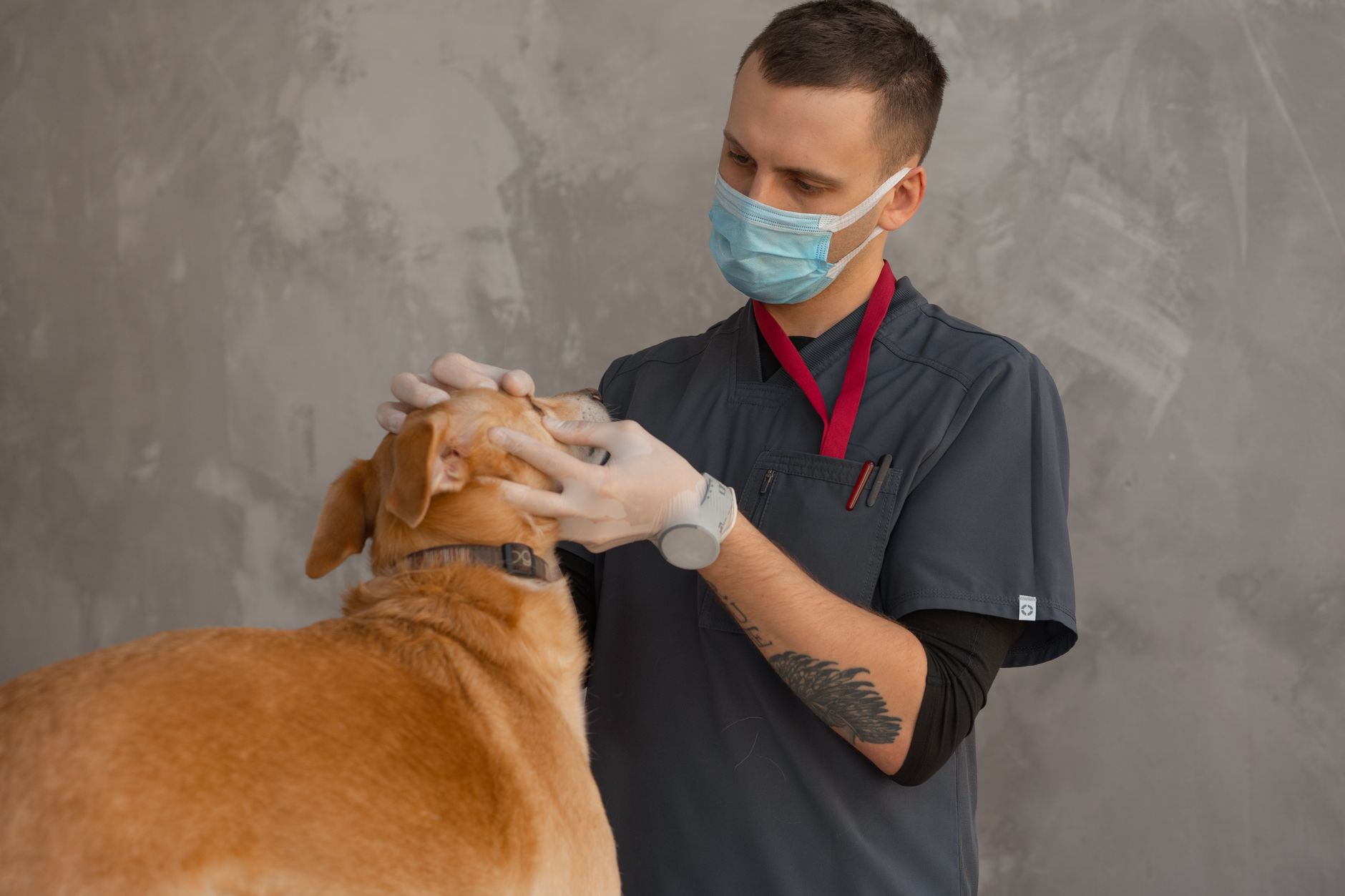
Pet ownership in the UK surged during the pandemic years and has not meaningfully reversed. That sustained demand, combined with a sector that remains majority-fragmented and operationally underdeveloped, has made veterinary one of the more talked-about consolidation plays in UK healthcare-adjacent services. Whether you are evaluating a platform acquisition, a bolt-on for an existing group, or an entry-level independent practice, this briefing sets out what the sector actually looks like right now.
What Is Driving Demand in the UK Veterinary Sector?
Demand is being driven by a combination of structural and cultural shifts that have been building for well over a decade. The most significant is the humanisation of pets. UK households increasingly treat companion animals as family members, and that translates directly into willingness to spend on diagnostics, specialist referrals, preventive care and insurance-backed treatment plans that would have been considered exceptional ten years ago.
Pet insurance penetration in the UK is among the highest in the world, and that matters enormously for practice economics. When a client is insured, the ceiling on approved treatment rises substantially. Practices that actively support insurance claims and communicate treatment options clearly tend to capture a disproportionate share of that higher-value spend. The UK is also seeing a meaningful rise in the number of exotic and small-animal species being kept as pets, which creates demand for specialist capability that most independent practices currently cannot satisfy in-house.
Demographics add another layer. An ageing population tends to keep pets longer and spend more on their care. Meanwhile, younger urban professionals who delayed or opted out of parenthood have driven strong growth in urban cat and dog ownership, particularly in cities like London, Manchester, Bristol and Edinburgh. These clients are digitally native, review-led, and willing to travel for quality care rather than simply defaulting to the nearest practice.
Fragmentation and Roll-Up Opportunity
The UK veterinary market is structurally fragmented. A significant share of practices remain independently owned, often by a single vet-owner approaching retirement with no obvious succession plan. This creates a classic consolidation opportunity: a willing seller base, no dominant acquirer with total market coverage, and genuine operational upside from bringing professional management, procurement scale and marketing infrastructure to practices that have historically run on clinical instinct rather than business process.
The large corporate groups (CVS, IVC Evidensia, Medivet and a handful of others) have been active acquirers, but their focus has naturally gravitated toward larger, higher-revenue practices in affluent suburban and semi-rural catchments. That leaves a substantial tier of mid-size and small practices in secondary towns and urban fringe locations that have not yet attracted institutional attention. For a smaller investor or entrepreneurial acquirer, this middle market is where the genuine opportunity sits.
The referral and specialist layer is arguably even more interesting. General practice volume feeds into referral hospitals for orthopaedics, oncology, cardiology and neurology. There are very few large referral centres relative to demand, and building or acquiring into this tier — either as a standalone play or as the top of a vertically integrated group — commands significantly higher margins and creates network effects as you grow your feeder practices beneath it.
For context on how consolidation dynamics have played out in a comparable healthcare-adjacent sector, our UK Dental Sector: Investor & Acquisition Briefing covers the structural parallels in detail.
Unit Economics and Margins: What to Expect
Veterinary practices are not homogeneous, and margin profiles vary considerably depending on practice type, mix of services and ownership model. As a general framework, a well-run general practice in a good catchment tends to generate healthy EBITDA margins before any platform overhead — though the range is wide and a poorly managed practice with a high staff-to-revenue ratio can be barely profitable or loss-making.
The key revenue drivers to evaluate are:
- Recurring preventive care plans — monthly direct-debit schemes that bundle vaccinations, flea and worming treatments and health checks. These provide predictable revenue, reduce churn and anchor the client relationship.
- In-house diagnostics — practices with their own laboratory and imaging equipment capture significantly more margin per consultation than those referring everything out.
- Insurance case mix — a practice with a high proportion of insured clients has both higher average transaction values and more predictable cash flow.
- Out-of-hours revenue — either captured in-house or referred to a dedicated OOH provider. Capturing it in-house materially increases both revenue and complexity.
Staff costs are the single largest expense line and the most difficult to manage in the current environment. There is a genuine shortage of qualified veterinary surgeons in the UK, and salary inflation has been pronounced. Practices that have invested in nurse-led consultations, clinical coaching and structured career pathways tend to retain staff better and manage cost ratios more effectively. This is an operational lever that corporate groups are better placed to pull than owner-operators, and it is one of the clearest sources of post-acquisition value creation.
Barriers to Entry and Key Risks
The regulatory environment is manageable but not trivial. All practices must be registered with the Royal College of Veterinary Surgeons (RCVS), and certain premises and equipment standards must be maintained. The RCVS Practice Standards Scheme is voluntary but increasingly expected by informed clients. These are compliance costs rather than prohibitive barriers, but they require attention from day one of any acquisition.
The staffing constraint is the most material operational risk in the sector right now. Veterinary surgeon supply has not kept pace with the demand surge of recent years, and many practices are running below their optimal headcount. Practices in rural or secondary locations face a harder recruitment challenge than urban ones. This is not a reason to avoid the sector, but it should be stress-tested carefully in any due diligence: what happens to revenue capacity if you lose one or two key clinicians post-acquisition?
Reputational risk is also worth flagging. Veterinary practices are highly review-dependent, and a single high-profile complaint — particularly involving a pet death or misdiagnosis claim — can materially damage a practice’s client base in a tight community. Understanding how a target practice has managed its online reputation and complaint history is essential pre-acquisition work. The principles that apply to digital reputation management in other care-sector businesses are directly relevant here.
Finally, pricing pressure is beginning to emerge as a macro risk. The cost-of-living squeeze has made some pet owners more price-sensitive, and there has been political and media attention on the perceived cost of veterinary care. The UK Government and the Competition and Markets Authority have both shown interest in the sector’s pricing practices. This is unlikely to result in formal price regulation in the near term, but it is a reputational and regulatory risk to monitor.
What Makes a Strong Acquisition Target?
Not every practice that comes to market is worth acquiring. The strongest targets share a recognisable set of characteristics that experienced acquirers learn to screen for quickly.
- High recurring revenue: a well-subscribed preventive care plan with strong retention is a proxy for client loyalty and practice quality.
- Clean premises with capacity headroom: a practice that is already running at maximum consulting capacity is harder to grow without capital expenditure.
- A retiring or semi-retiring owner-vet who is willing to transition cleanly, with staff who are already working semi-autonomously.
- Strong local search presence: practices that rank well on Google Maps and have a substantial base of recent positive reviews have built an asset that is genuinely difficult to replicate quickly. A practice with poor local visibility is an operational fix, which is manageable, but it affects near-term revenue assumptions.
- Low referral leakage: a practice that refers out significant diagnostic or specialist work is leaving margin on the table that a better-equipped acquirer can recapture.
On the marketing side, it is worth noting that independent practices often have significant untapped digital potential. Many rely almost entirely on word-of-mouth and have never invested in structured local SEO or Google Business Profile management. Our piece on winning more local customers through Google Business Profile is a practical starting point for understanding what that gap looks like and how quickly it can be closed post-acquisition.
How Should a Smart Investor Position?
The window for acquiring independent practices at reasonable multiples is narrowing as institutional appetite grows, but it has not closed. For investors with a medium-term horizon, the clearest value creation pathway is the buy-and-build: acquire a platform practice with strong fundamentals in a growth catchment, professionalise its management and marketing, then add two to four bolt-ons within commutable distance to build referral density and procurement scale.
Technology and AI adoption represent a genuine differentiation opportunity for forward-thinking acquirers. Most independent practices are running on legacy practice management software with minimal automation. There is meaningful operational efficiency available from AI-assisted appointment scheduling, client communication workflows and inventory management. For investors interested in how these tools can be deployed at low cost in SME environments, our overview of building a low-budget AI stack for UK SMEs illustrates the practical toolkit available today.
Brand strategy matters more than many acquirers initially assume. Practices that are absorbed into a corporate group and immediately rebranded can see short-term client attrition, particularly in communities where the original vet had strong personal relationships. A considered approach — maintaining local trading names, investing in the physical environment and building digital presence under a consistent brand architecture — tends to preserve client retention while building group-level equity over time. The principles of positioning and brand building in professional services are relevant here; see our thinking on brand strategy for the frameworks that apply.
Geographically, the most attractive clusters tend to be in affluent commuter belt towns, growing secondary cities and the outer rings of major metropolitan areas where pet ownership density is high, competition is still fragmented and property costs make practice ownership economics workable. Central London is typically too expensive on premises and too competitive on staffing to represent strong entry-level value.
For a sense of broader economic context as you model your thesis, the Office for National Statistics provides useful household expenditure and demographic trend data relevant to consumer services investment, and the Bank of England publishes credit conditions surveys that are worth tracking if you are using acquisition debt in a rising rate environment.
Key Takeaways
- The UK veterinary sector is structurally fragmented, with a large base of independent practices owned by retirement-age vets, creating a sustained pipeline of acquisition opportunities at accessible entry multiples.
- Demand is supported by durable structural tailwinds: rising pet ownership, growing insurance penetration, and a cultural shift toward premium care that shows no sign of reversing.
- Staffing constraint is the single most material operational risk and should be stress-tested rigorously in any due diligence process.
- The clearest value creation pathway is a disciplined buy-and-build strategy combining operational professionalisation, digital marketing investment and careful geographic clustering to build referral density and procurement leverage.
Frequently Asked Questions
Is the UK veterinary sector a good investment right now?
Yes, for investors with the right operational capability and a medium-term horizon. Demand fundamentals are strong, the independent practice base is large and ageing, and consolidation is still at an early stage relative to sectors like dental. The principal risks are staffing costs and salary inflation, which need to be modelled carefully.
What multiples are UK veterinary practices typically acquired at?
Multiples vary significantly by practice size, revenue quality and buyer type. Independent practices in the middle market have historically transacted at lower multiples than the headline deals done by large corporate groups, particularly where the seller is a retiring owner with no succession plan in place. Practices with strong recurring plan revenue and clean financials command a premium over those that are more transactionally driven.
How do I assess whether a veterinary practice has good local market position?
Start with its Google Maps ranking and review volume relative to competitors in a defined radius. A practice with a strong recent review profile, consistent engagement and good local search visibility has built a durable referral engine. Practices with thin or outdated online presence are not necessarily bad acquisitions, but the marketing gap needs to be priced into your model as a post-acquisition investment.
What is the biggest operational challenge post-acquisition?
Retaining clinical staff, particularly the senior veterinary surgeons whose client relationships underpin the revenue. A transitional earn-out or equity stake for key clinicians is a common mechanism to address this. Implementing structured management processes and modern practice software without disrupting the clinical culture is the second major challenge most acquirers face in the first twelve months.
If you are building an investment thesis in the UK veterinary sector or a comparable healthcare-adjacent market, speak to the B4Mind team for a free, tailored UK sector opportunity briefing specific to your acquisition criteria and target geography.